
Vitamins and minerals on a small plate: the gaps worth checking
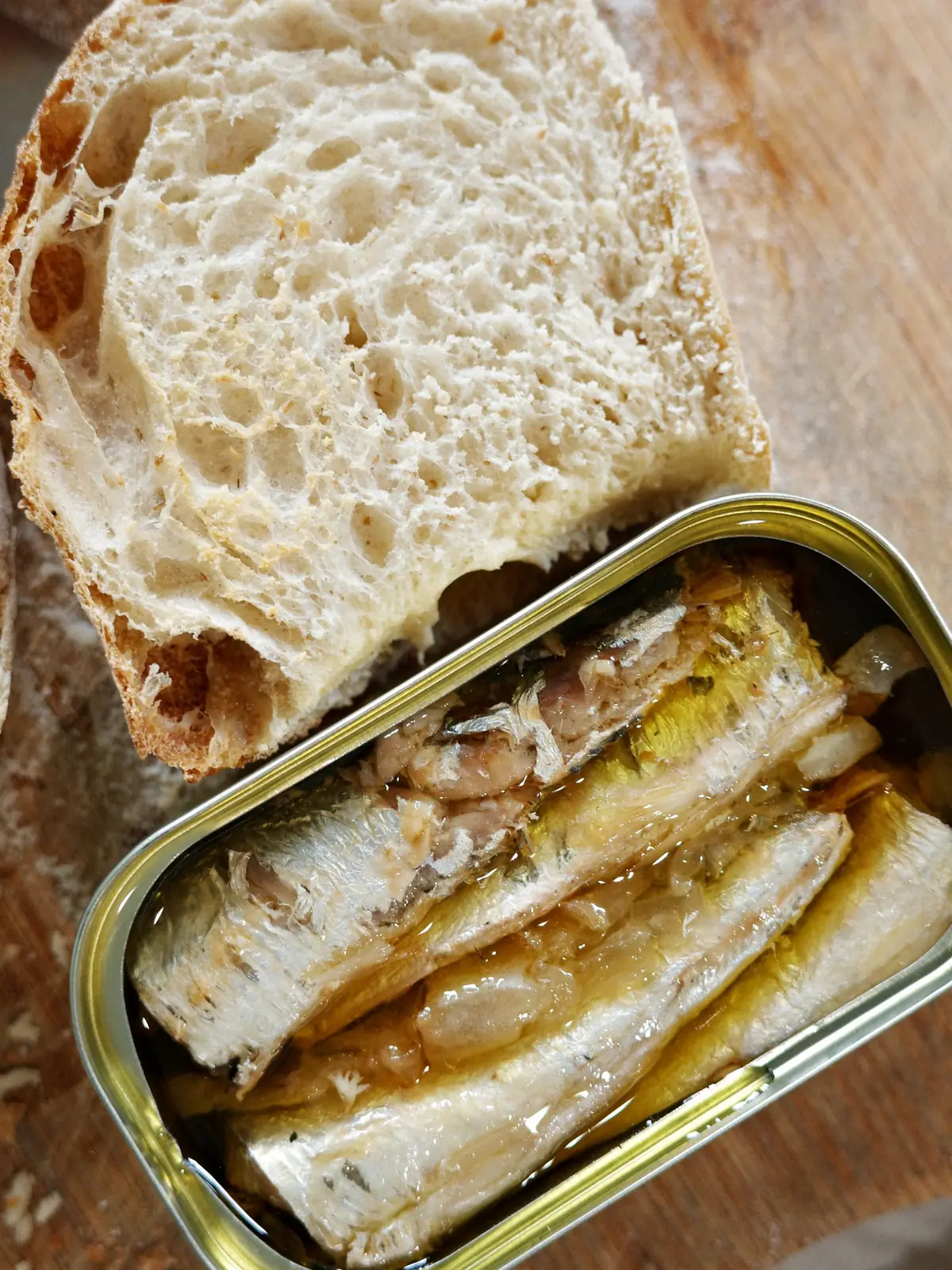
Photo: Eddie O. / Pexels
When your portions shrink, protein tends to get all the attention. Fair enough, but vitamins and minerals shrink with the plate too. The fix isn't a cupboard full of pills. It's choosing foods that carry a lot of goodness in a small space, and knowing which gaps are common.
What the science says
The rule is simple: less food in total means less of everything that food brings. Groups that already eat less, such as older adults with small appetites, are more likely to fall short on several nutrients. Some gaps are common across the whole UK population too. The NHS advises that everyone should consider a daily 10 microgram vitamin D supplement in autumn and winter, because sunlight in the UK isn't strong enough between October and early March (NHS: vitamin D (opens in a new tab)).
The nutrients worth watching
- Vitamin D. Hard to get from food alone. Oily fish, eggs and fortified cereals help, and the winter supplement advice above applies to most of us.
- Iron. Low iron can leave you tired and short of breath. Red meat, beans, pulses, dried fruit and fortified cereals all contribute (NHS: iron deficiency anaemia (opens in a new tab)).
- B vitamins, especially B12. B12 comes mainly from meat, fish, eggs and dairy, so if you eat little of those, fortified foods such as some plant milks, cereals and yeast flakes matter more (NHS: B vitamins and folic acid (opens in a new tab)).
- Calcium. Milk, yoghurt, cheese, tinned fish with soft bones and fortified alternatives are the easy wins.
Foods that punch above their size
- Tinned sardines or salmon bring protein, vitamin D and calcium in one small serving.
- Eggs add protein, vitamin D and B12, and they cook in minutes.
- Yoghurt, skyr or kefir give calcium and protein in a spoonable pot.
- Lentils and beans bring iron, folate and fibre together. Our lentils guide has easy ways to add them a spoonful at a time.
- A handful of leafy greens wilted into soup or eggs adds folate without filling you up.
A quick small-plate check
Look at a typical day and ask three questions:
- Did I have a dairy food or fortified alternative?
- Did I have a protein food that also carries iron, such as meat, eggs or pulses?
- Did something colourful make it onto the plate?
Two out of three is a good day. Three out of three is a great one.
One small habit
Once a week, swap a usual lunch for sardines or salmon on toast. It's quick, cheap and covers several gaps at once.
When to get checked
Ongoing tiredness, pale skin, breathlessness, pins and needles or a sore tongue can all point to a deficiency. Don't guess: your GP can arrange a simple blood test. Speak to them or a pharmacist before taking anything beyond standard supplement advice, especially if you take other medicines.