
Protein little and often: how to get enough on a small plate
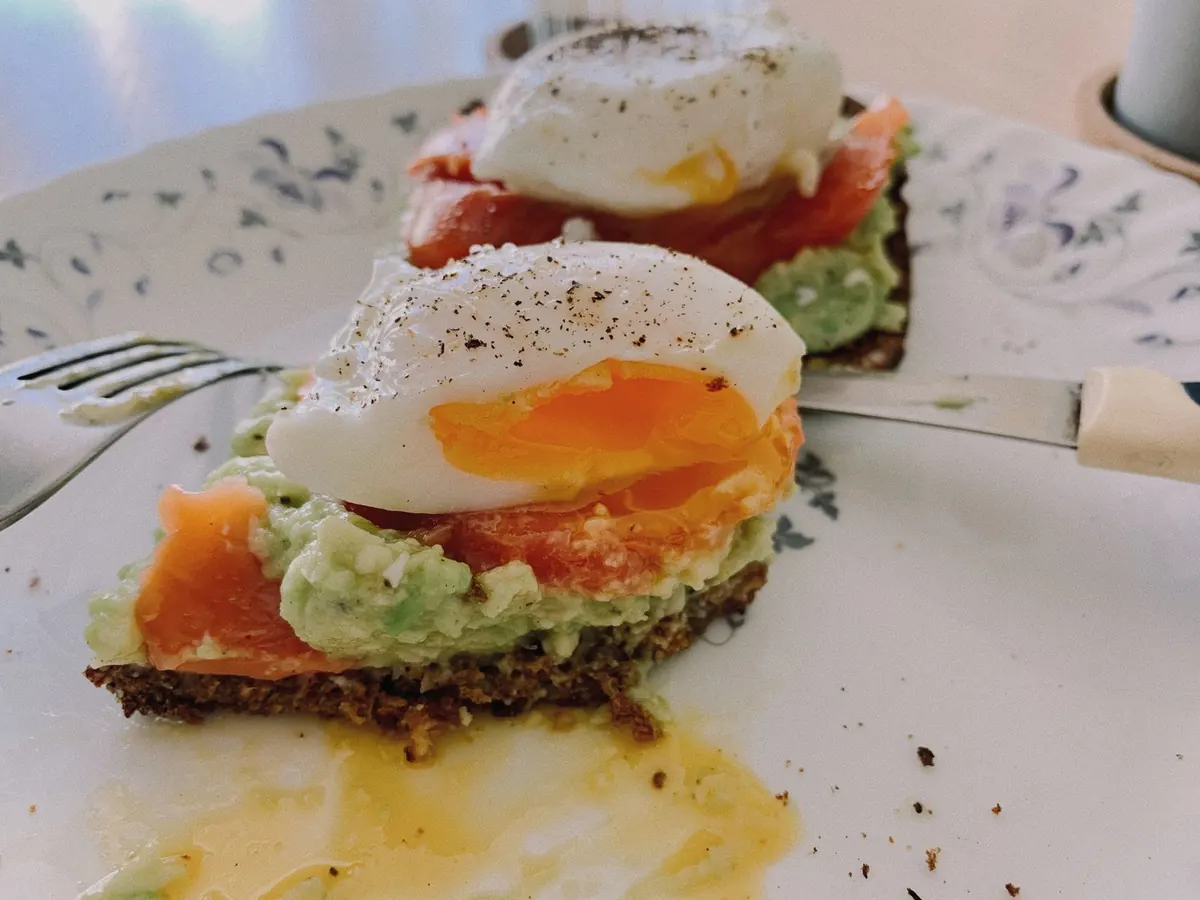
Photo: Elena Golovchenko / Pexels
If you've ever been told to "eat more protein" while barely managing half a sandwich, this page is for you. Big targets and huge plates don't help when your appetite is small. What does help is a steady, gentle approach: a little protein at each meal and snack, from foods you enjoy, in portions you can finish.
This is our home page for everything protein on Smaller Portions. It covers what UK guidance says, how to picture a sensible serving, and where shakes and snacks fit in.
What UK guidance says
The UK reference figure for adults is 0.75g of protein per kilogram of body weight a day. The Guardian's protein explainer puts that at roughly 45g a day for an average woman and 56g for an average man (The Guardian (opens in a new tab)). The same piece quotes a dietitian who thinks a little more may suit some people, and notes that needs tend to rise as we get older.
A piece from The Conversation, published in The Independent, looks at active people over 50. It reports expert advice to spread protein from both plant and animal sources through the day rather than having it in one big serving (The Independent (opens in a new tab)).
The short version is that you probably need less than social media suggests, and spreading it out matters more than hitting a big number in one go.
Protein calculator
Our calculator shows two things: the UK reference figure of 0.75g per kg, and a broad general range based on how active you are. Dietitians quoted by BBC Food and The Guardian suggest that 1g to 1.2g per kg may suit many adults, with more for very active people, and going above 2g per kg is not advised (BBC Food (opens in a new tab)). Our ranges stay between 0.75g and 1.6g per kg. This is general information, not a personal target. If you have a health condition, ask your GP, prescriber or a registered dietitian what's right for you.
Protein calculator
Everything is worked out on your device. Nothing you enter is sent or saved.
The table shows the UK reference figure alone, for a few example weights.
| Body weight | UK reference figure (approx.) |
|---|---|
| 50kg | 38g protein a day |
| 60kg | 45g protein a day |
| 70kg | 53g protein a day |
| 80kg | 60g protein a day |
| 90kg | 68g protein a day |
Spread over three small meals and a snack or two, that is usually far less per sitting than people expect.
What "about 20g" looks like on a small plate
The Guardian piece suggests about 20g per sitting as a handy rule of thumb. Here's how that can look in small portions. Figures are rough and vary by brand, so check the label.
- Two eggs on a slice of seeded toast. Two eggs give roughly 12g on their own. BBC Future's long read on eggs is a reassuring look at why they're such a useful everyday food (BBC Future (opens in a new tab)).
- A small pot of Greek yoghurt or skyr with a spoonful of seeds. The Atlantic makes a strong case for plain yoghurt as one of the simplest protein foods around (The Atlantic (opens in a new tab)).
- Cottage cheese with an apple or oatcakes. NYT Cooking rounds up easy cottage cheese ideas, from dips to egg bites that freeze well (NYT Cooking (opens in a new tab)).
- Sardines or crab on toast. BBC Good Food's guide to tinned foods picks sardines and crab as small tins that pull their weight. Crab mixed with Greek yoghurt and lemon makes a quick lunch (BBC Good Food (opens in a new tab)).
- A small bowl of edamame or beans. Good Housekeeping ranks the beans with the most protein, with soybeans and edamame near the top (Good Housekeeping (opens in a new tab)). Beans bring fibre too.
Little and often: a sample small-appetite day
This isn't a meal plan, just an example of how small amounts add up.
- Breakfast: one egg on toast, or a small pot of skyr with berries
- Mid-morning: a small glass of milk or a clear protein drink
- Lunch: half a sandwich with tinned fish, or a small bowl of bean soup
- Afternoon: a cheese string and a few crackers, or a handful of roasted chickpeas
- Dinner: a small plate with a palm-sized piece of chicken, fish, tofu or lentils
- If you fancy it: a spoonful of Greek yoghurt with honey
None of those portions is big. Together they get most people a long way towards the UK reference figure.
Food first, then helpers
We always start with real food. As The Guardian puts it, the body can't store extra protein, and food brings vitamins and minerals that powders don't. But on low-appetite days, helpers earn their place:
- Shakes: easy to sip slowly. See protein shakes for small appetites for small-serving picks and how to make any shake smaller.
- Ready-portioned snacks: a pot, a bar or a small pack you can finish. See high-protein snacks for small appetites.
Where a food is at least a source of protein, it's fair to say that protein contributes to the maintenance of muscle mass. That's one of the authorised nutrition claims in Great Britain, and it's as far as we go.
Helpful kit for small portions
- Digital kitchen scales so you can see what a portion really is (handy for weighing out seeds or yoghurt). View on Amazon (opens in a new tab)#ad / affiliate
- Small glass pots with lids for yoghurt, overnight oats or cottage cheese portions. Amazon link coming soon
- A seed mix to sprinkle on yoghurt, porridge or salads. Bulk link coming soon · Amazon link coming soon
- Silicone egg-bite moulds for freezer-friendly mini breakfasts. View on Amazon (opens in a new tab)#ad / affiliate
Don't force it
Big protein goals can backfire when your appetite is small. Eating past full is no fun, and you may find yourself put off food altogether. BBC Food's look at "volume eating" is a useful mirror image: that trend is about filling up on large plates, and a dietitian in the piece warns that chasing fullness doesn't suit everyone (BBC Food (opens in a new tab)). If you can't eat big, choose foods that pack more protein into each bite and keep portions comfortable.
FAQ
How much protein do I need a day? The UK reference figure for adults is 0.75g per kg of body weight a day. That's general guidance. If you have a health condition, your GP or a registered dietitian can advise you.
Is it better to eat protein in one go or spread it out? Many experts suggest spreading it through the day, for example about 20g at a sitting, rather than having one large serving.
What are the easiest protein foods for a small appetite? Eggs, Greek yoghurt, skyr, cottage cheese, tinned fish, edamame, beans, milk and tofu. All of them work in small portions.
Do I need protein powder? No. It's a convenience, not a must. Our protein shakes guide covers when it can help.
Does the calculator give me a personal target? No. It shows the general UK reference figure and a broad range by activity level. It isn't tailored to your health, age or medical history, so check with your GP, prescriber or a registered dietitian.