Health news · Updated 17 Oct 2026

Health news

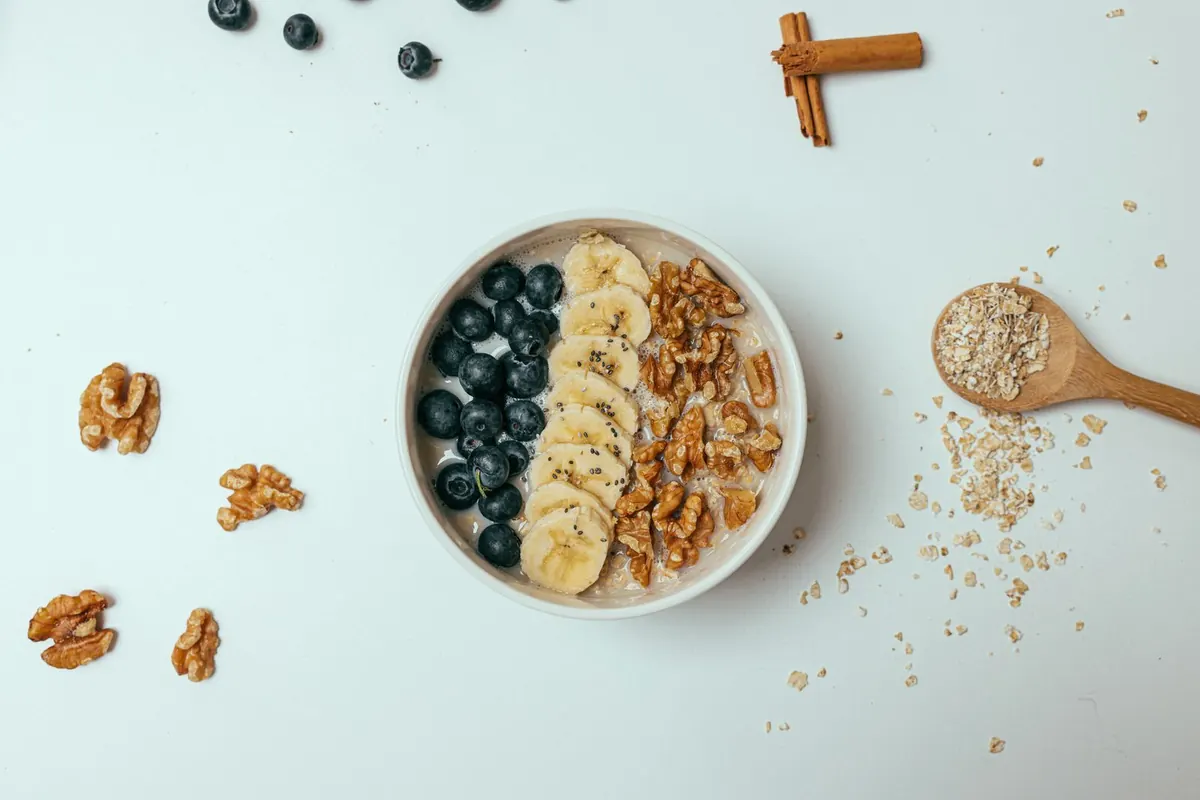
A bowl of porridge topped with banana, blueberries and seeds

Photo: Cup of Couple / Pexels

Recent reporting on protein, fibre, the gut and ageing, summarised in our own words with a link to each original article. Many studies show a link rather than proof of cause, and early findings can change. This is news, not advice: speak to your GP or prescriber about your own health.

Ageing and muscle

No, muscle doesn't turn into fat when you stop exercising

The Guardian ·

  • A muscle physiologist explains that muscle and fat are different tissues and can't convert into each other.
  • During a break, people may lose some muscle and, if eating stays the same, gain some fat, which fuels the myth.
  • His suggestion for a less active spell is to keep protein up.

Read the original at The Guardian ↗ (opens in a new tab)

Why protein matters more for active people over 50

The Independent (via The Conversation) ·

  • People over 50 lose muscle and bone more quickly, which can raise injury risk when they take up exercise.
  • The piece reports expert guidance of roughly 1g to 1.5g of protein per kg for active over-50s, from plant and animal foods.
  • Spreading protein across the day is described as better than one large serving.
  • Calcium, vitamin D, magnesium and fluids are also mentioned.

Read the original at The Independent (via The Conversation) ↗ (opens in a new tab)

Ageing scientists on which eating habits may speed things up

The Guardian ·

  • A science writer interviews researchers from the Buck Institute, Mount Sinai, Birmingham, UCSF and the Salk Institute.
  • A Birmingham researcher says more saturated fat and less fibre were the diet features most linked with immune ageing in their work.
  • Grazing all day, lots of refined carbohydrate, very high-heat cooking and big late meals are raised as concerns.
  • Omega-3 fats are discussed as possibly helping the body use protein to keep muscle with age.
  • Some points are single experts' views or early-stage science, and are reported as such.

Read the original at The Guardian ↗ (opens in a new tab)

Protein research

The case for plain yoghurt over protein-branded products

The Atlantic (US) ·

  • The writer argues that plain Greek yoghurt, skyr and kefir beat many branded protein bars, lattes and snacks.
  • Calorie for calorie, Greek yoghurt is said to match or beat many 'high protein' products, with just milk and cultures inside.
  • It works plain or in dips, sauces, baking and marinades.
  • The piece also cautions against fixating on protein targets. This is a US source.

Read the original at The Atlantic (US) ↗ (opens in a new tab)

A dietitian on how protein needs change as we get older

BBC Food ·

  • A British Dietetic Association dietitian explains the UK figure of 0.75g per kg, and says newer methods point to 1g to 1.2g for adults.
  • Muscle loss with age speeds up from around 40 for women and the late 40s for men, the article says.
  • About 1g per kg is described as a sensible minimum for older people; going above 2g per kg is not advised.
  • Carbohydrates are described as still important, helping the body put protein to use.

Read the original at BBC Food ↗ (opens in a new tab)

How much protein people need at different ages (explainer)

The Guardian ·

  • The UK reference figure is 0.75g of protein per kg of body weight, about 45g a day for an average woman and 56g for a man.
  • A dietitian quoted in the piece suggests 1g to 1.2g per kg may suit some adults better.
  • Protein is used less efficiently with age, so needs tend to rise from midlife.
  • Around 20g at a sitting is given as a rule of thumb, such as two eggs on seeded toast.
  • This is an evergreen 2024 explainer, included for background.

Read the original at The Guardian ↗ (opens in a new tab)

What the evidence says about eggs (long read)

BBC Future ·

  • Eggs are described as cheap, quick and nutrient-dense.
  • Neither the UK nor the US now sets a limit on dietary cholesterol; the article says saturated fat matters more.
  • Studies disagree, but much recent research suggests eggs carry no health risk for most people.
  • The writer still recommends variety rather than eggs at every meal.

Read the original at BBC Future ↗ (opens in a new tab)

Fibre and the gut

The science behind the 'volume eating' trend

BBC Food ·

  • The social-media trend for big, watery, low-calorie plates draws on Barbara Rolls' research into energy density.
  • It can encourage more vegetables and fibre, but very high fibre can cause bloating.
  • A dietitian warns that chasing fullness can become an unhelpful habit for some people, and active people risk under-eating.

Read the original at BBC Food ↗ (opens in a new tab)

'Fibremaxxing' is pushing up sales of plant foods

Food Bible ·

  • Interest in eating more fibre is boosting sales of plant-based foods.
  • The UK target is 30g of fibre a day, and most adults miss it.
  • Experts quoted say to build up slowly and drink plenty to avoid discomfort.

Read the original at Food Bible ↗ (opens in a new tab)

A dietitian's plan for reaching 30g of fibre a day

BBC Food ·

  • Only about 4% of UK adults reach the 30g target; most get a little over 16g, the article says.
  • It lists ten cheap staples with fibre amounts, such as half a tin of chickpeas (7g) and 25g of milled seeds (4.5g).
  • Suggested habits: a portion of pulses daily, seeds on yoghurt or oats, and wholegrains for at least half your grains.
  • Building up gradually over a week or two is recommended.

Read the original at BBC Food ↗ (opens in a new tab)

What researchers are finding about fibre and the brain

BBC Future ·

  • The article rounds up work from scientists in Aberdeen, Dundee and at King's College London.
  • A review found people eating the most fibre had a 15% to 30% lower risk of death than those eating the least, with the biggest difference at about 25g to 29g a day.
  • A 2022 study of over 3,700 adults linked higher fibre intake with lower dementia risk; this was an association, not proof of cause.
  • In a small King's College trial with older twins, a daily prebiotic fibre powder was linked to better memory-test scores after three months.
  • The article reports that more than 90% of UK adults fall short of the fibre target.

Read the original at BBC Future ↗ (opens in a new tab)

For shop launches and eating-out news, see the News roundup.