
Fibre and protein in small steps: lentils and other cheap wins
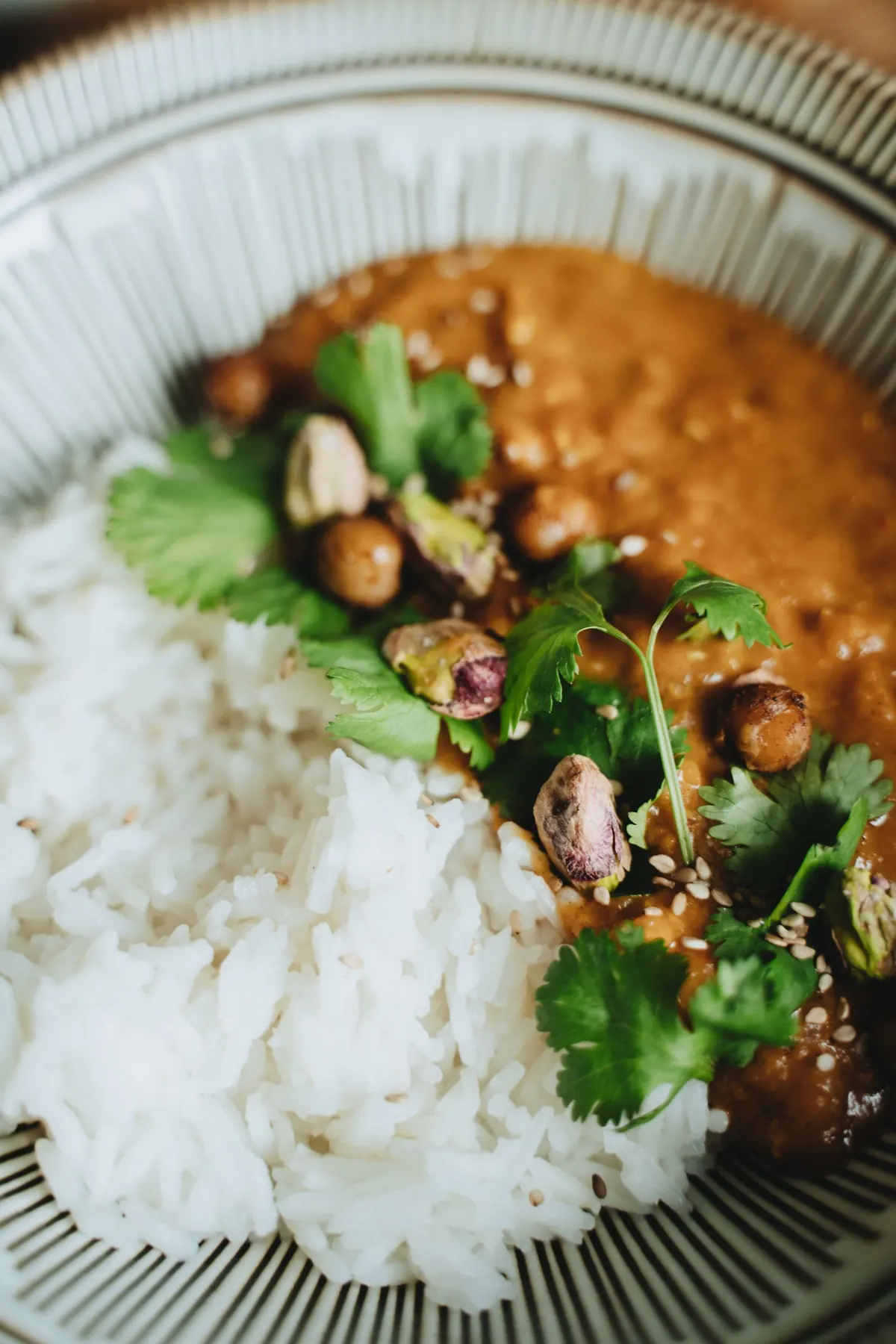
Photo: Alesia Kozik / Pexels
If you eat smaller portions, every spoonful has to pull its weight. Lentils, beans and seeds are some of the cheapest ways to get fibre and protein into the same mouthful, and you don't need a big bowl to benefit.
What the science says
The NHS counts 80g of beans or pulses, roughly three heaped tablespoons, as one of your 5 A Day. Lentils and chickpeas only count once a day however much you eat, because they don't offer the same range of nutrients as fruit and vegetables, but they bring fibre and protein that most fruit and veg don't (NHS: 5 A Day, what counts? (opens in a new tab)).
Why lentils keep coming up
The Independent reports that UK adults average around 16g of fibre a day, roughly half the 30g target, and only a small share of us reach it. It also notes that England's school menus are set to include pulses such as lentils every week from 2027 (The Independent (opens in a new tab)).
The appeal is simple. A modest portion of cooked lentils brings a useful amount of both fibre and protein, and a bag of dried red lentils is one of the cheapest things in the shop. It keeps for months in the cupboard, cooks in about 20 minutes without soaking, and works in small amounts, so there is no pressure to make a big pot or finish a large plate. A couple of spoonfuls is a perfectly good start.
Easy ways in
- Stir red lentils into soup or sauce. They soften and almost disappear, so a tomato sauce or a veg soup gets thicker and more filling without tasting different.
- Swap some mince for green lentils. Replacing a portion of the meat in a ragu or chilli keeps the dish familiar and stretches it further.
- Keep a tin or pouch handy. Ready-cooked lentils or chickpeas mean no soaking and no planning. Half a tin in a salad or a small curry is plenty.
- Sprinkle as you go. BBC Food points out that a spoonful of seeds or nuts adds a few grams of protein, and a tablespoon of nutritional yeast adds a little more. Small sprinkles add up over a day (BBC Food (opens in a new tab)).
Plants can carry the protein too
The same BBC Food piece makes the case that you don't need meat at every meal to get enough protein. Eating a mix of plant foods through the day, such as lentils, beans, tofu, oats and seeds, covers the building blocks your body needs, and brings fibre along with it. If you like meat and fish, that's fine too: think of pulses as an extra, not a replacement.
Go slowly
A Guardian dietitian Q&A explains the two main kinds of fibre and why both matter. Its most practical advice is to add a little at each meal rather than all at once, because a sudden jump can leave you bloated or uncomfortable (The Guardian (opens in a new tab)).
A gentle week might look like this:
- Seeds on your porridge or yoghurt in the morning.
- A spoonful of red lentils in your usual soup.
- Hummus with carrot sticks as a snack.
- Half a tin of chickpeas in a small curry by the weekend.
Drink plenty of water as you build up. If you have a gut condition or any health worries, ask your GP or a registered dietitian first.
One small habit
Next time you make soup or a tomato sauce, stir in one tablespoon of dried red lentils with a splash of extra water. That's it: same dish, a little more fibre and protein.
Handy kit
- Small freezer pots. Cook a pan of lentil soup once and freeze single portions. View on Amazon (opens in a new tab)#ad / affiliate
- A seed mix for sprinkling. View on Amazon (opens in a new tab)#ad / affiliate