
After a bad night's sleep: a calm plan for eating the next day
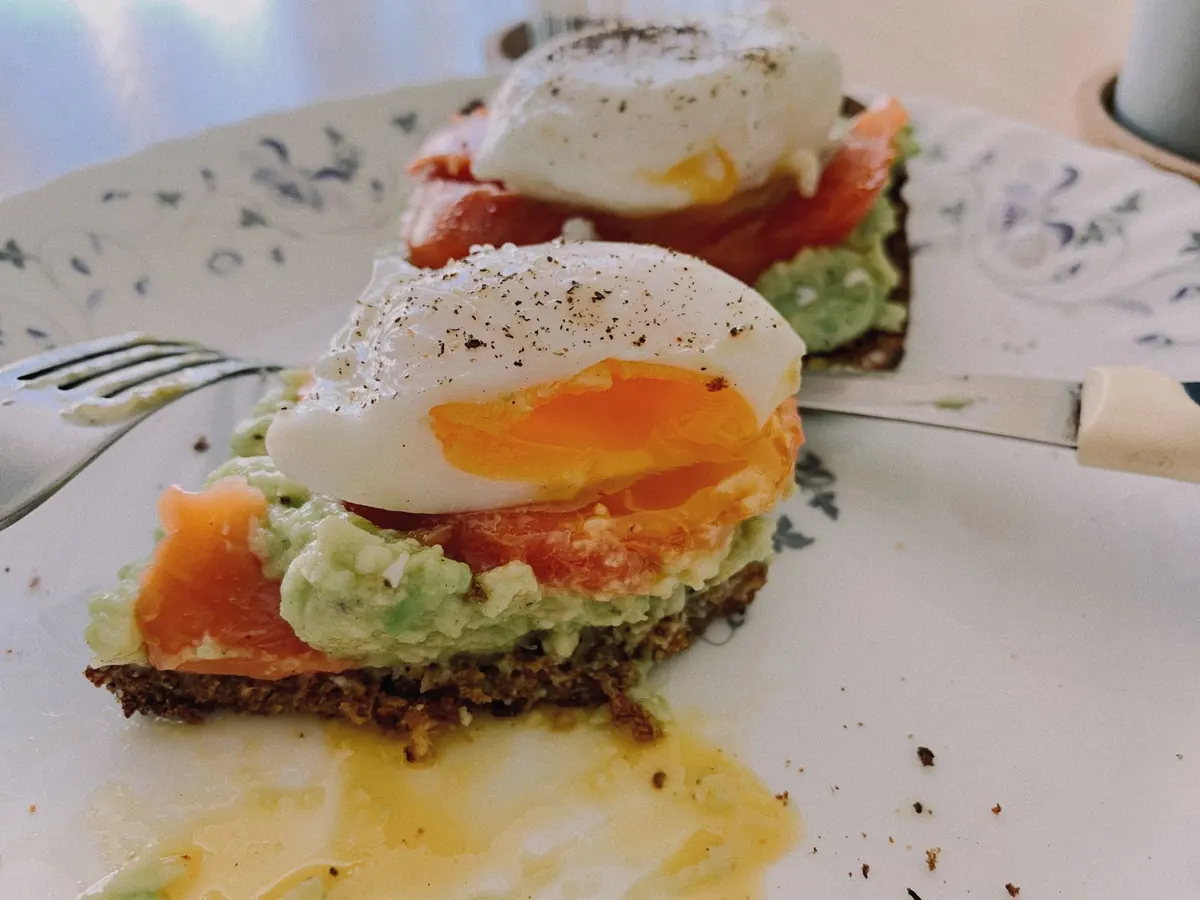
Photo: Elena Golovchenko / Pexels
We've all had the day after a rubbish night: foggy, a bit grumpy, and oddly drawn to the biscuit tin. That pull isn't a lack of willpower. Tiredness really does change how we eat, and knowing that makes it easier to plan around.
What the science says
Researchers at King's College London pooled the results of controlled studies in which people slept less than usual for a night or a few nights, then compared what they ate with what they ate after a normal night. On average, the short-sleep days came with roughly 385 extra kcal eaten, mostly from fattier foods, while protein intake actually dipped. Energy used through the day barely changed (Al Khatib and colleagues, European Journal of Clinical Nutrition, 2017 (opens in a new tab)).
The studies were small and short, so treat the number as a rough guide rather than a rule. The pattern is what matters for us: after a poor night, we drift towards richer snacks and away from the protein we're trying to fit in.
Why it matters on smaller portions
If your appetite is small, every meal has to work hard. A tired day that gets filled with crisps and pastries can crowd out the eggs, yoghurt or lentils that carry your protein and fibre. The aim isn't to eat less after a bad night. It's to make sure the good stuff gets in first.
The morning-after plan
- Get daylight early. A few minutes outside or by a bright window helps you feel more awake, and feeling awake makes the snack cupboard less tempting.
- Have protein at breakfast, even a small one. An egg on toast, a pot of skyr or a few spoonfuls of cottage cheese. Little and often still counts.
- Decide your snacks in advance. Tired brains choose whatever is nearest. Put a ready option in reach: a boiled egg, a small pot of yoghurt, roasted chickpeas or a piece of fruit with a few nuts.
- Drink water before reaching for the second coffee. Mild thirst and tiredness feel surprisingly similar.
- Keep tea and coffee to the morning. Caffeine late in the day can make tonight's sleep worse, which sets up the same cycle again.
- Go to bed a little earlier, not much earlier. The NHS suggests keeping regular sleep and wake times and winding down before bed (NHS: sleep and tiredness (opens in a new tab)).
One small habit
Tonight, before bed, put tomorrow's breakfast protein somewhere you'll see it: eggs at the front of the fridge, or a yoghurt pot ready with a spoon beside it. If tomorrow goes wrong, the first decision is already made.
Handy kit
- Roasted chickpeas for a ready, crunchy snack. View on Amazon (opens in a new tab)#ad / affiliate
- Small glass pots to prep yoghurt or overnight oats the night before. View on Amazon (opens in a new tab)#ad / affiliate
If poor sleep goes on for weeks, or you feel exhausted most days, have a chat with your GP.