
A handful of nuts a day: a small habit with a lot going for it
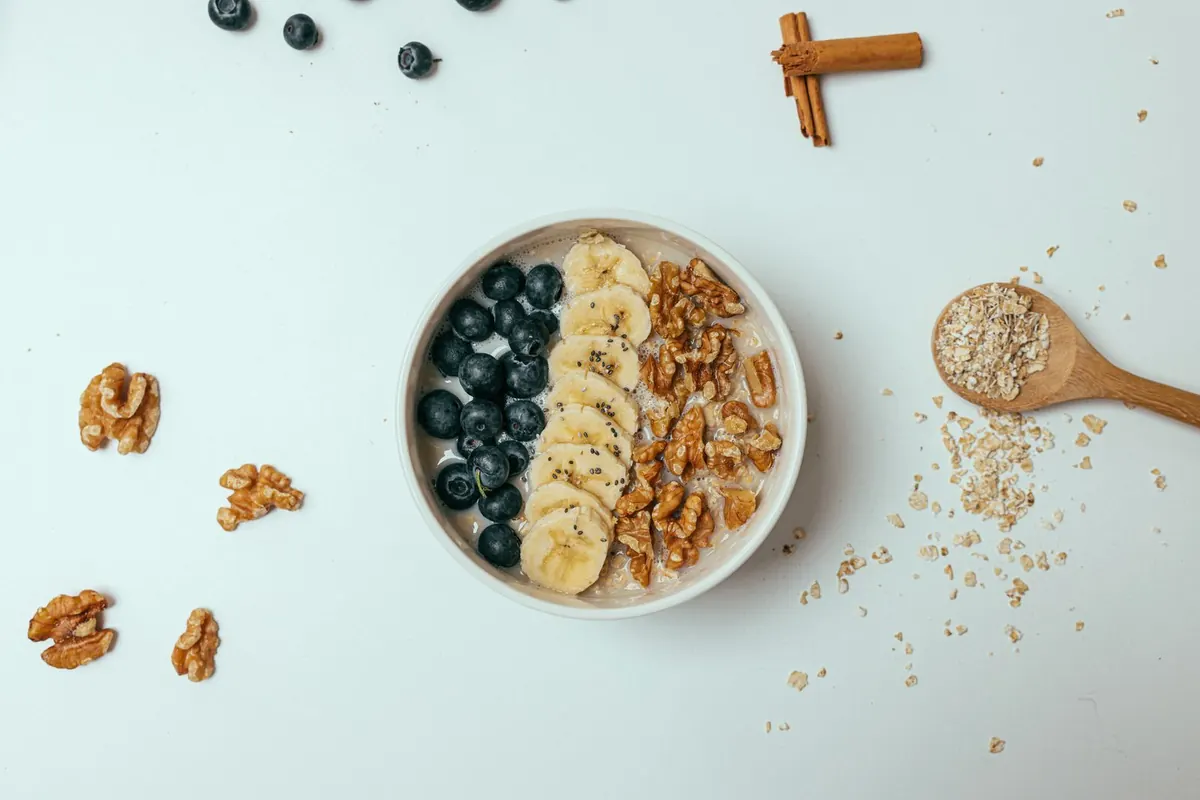
Photo: Cup of Couple / Pexels
Some of the most useful foods for a small appetite are the ones that hardly take up any room. Nuts are a good example. A small handful sits happily next to a cup of tea, keeps for weeks in the cupboard and needs no cooking at all, yet it brings protein, fibre and healthy fats in one go.
What the science says
A team from the University of Winchester and Imperial College London brought together long-running studies covering around 143,000 people, published in the British Journal of Nutrition. People who ate about a handful of nuts a day, roughly 30 to 35g, were around a quarter less likely to develop high blood pressure than people who ate none (University of Winchester (opens in a new tab)).
The researchers suggest a few reasons that may be at work: nuts carry potassium, their fibre feeds the helpful bacteria in the gut, and they contain natural plant compounds that help blood vessels relax. They are also honest about the limits. These were observational studies, so they show a link rather than proof, and the studies didn't separate salted nuts from unsalted ones. Their wider point is that nuts work best as one part of a plate built around plenty of plants, not as a magic food on their own.
Other sources point the same way. A BBC Food piece notes that nuts, seeds, beans and lentils are among the few everyday foods that bring protein and fibre together, and that most of us in the UK fall well short on fibre (BBC Food (opens in a new tab)). BBC Future also picked out almonds among foods worth eating more of, reporting that in trials a daily portion was linked with lower "bad" cholesterol (BBC Future (opens in a new tab)).
This is a finding about food habits, not medical advice. If you have a blood pressure condition or take medication for it, your GP or practice nurse is the right person to talk to.
Why a handful suits small appetites
Thirty grams is about as much as fits in the palm of your hand. It won't fill you up so much that you can't face your next meal, but it does make that small gap between meals count for more. Nuts are rich, so a little goes a long way, which is exactly what you want when you're eating less than you used to.
Which nuts bring what
You don't need to be fussy. Each kind has its own strengths, so a mix is a nice way to cover the bases.
| Nut (about 30g) | What stands out |
|---|---|
| Peanuts | About 7g protein, and usually the cheapest |
| Almonds | About 6g protein, plus fibre and vitamin E |
| Cashews | About 5g protein, soft and easy to chew |
| Walnuts | About 4g protein, plus a plant form of omega-3 |
| Brazil nuts | Very high in selenium, so one or two is plenty |
Figures are rough averages and are rounded. Check your packs.
Easy ways to fit a handful in
- With your cuppa. A small handful alongside a piece of fruit is a proper snack, and pairs well with the ideas in our protein snacks guide.
- On breakfast. Chop a few over porridge or yoghurt, or stir them into overnight oats with a spoonful of seeds. Our seeds guide has more on that.
- As nut butter. A thin layer of peanut or almond butter on toast, oatcakes or apple slices. Look for one that is just nuts, with no added sugar or palm oil.
- Ground almonds. Stir a spoonful into porridge, soup or a smoothie. Handy if whole nuts are hard to chew.
- Toasted on top. A few toasted flaked almonds or chopped walnuts add crunch to a small salad, a stir-fry or a bowl of soup.
- Mixed into a small plate. A scattering of nuts is an easy way to add another plant to the week, as our plant variety guide explains.
Keep it simple
Plain, unsalted nuts are the ones to keep in the cupboard; salted and honey-roasted ones are more of a treat. Buying a bigger bag and splitting it into small portions saves money and makes it easy to grab one. Whole nuts aren't safe for young children, and if chewing or swallowing is tricky, nut butter or ground almonds are gentler options. If you have a nut allergy, or have been given specific dietary advice, follow that first.
One small habit
This weekend, weigh out 30g of nuts once, just to see what a handful looks like, then tip it into a small pot. Fill a few more pots for the week and keep them by the kettle. When you make your afternoon tea, take one with you.
Handy kit
- Digital kitchen scales to check what 30g looks like the first time. View on Amazon (opens in a new tab)#ad / affiliate
- Small snack boxes for packing a handful with some fruit. View on Amazon (opens in a new tab)#ad / affiliate