
Seeds: a small spoonful of protein, fibre and good fats
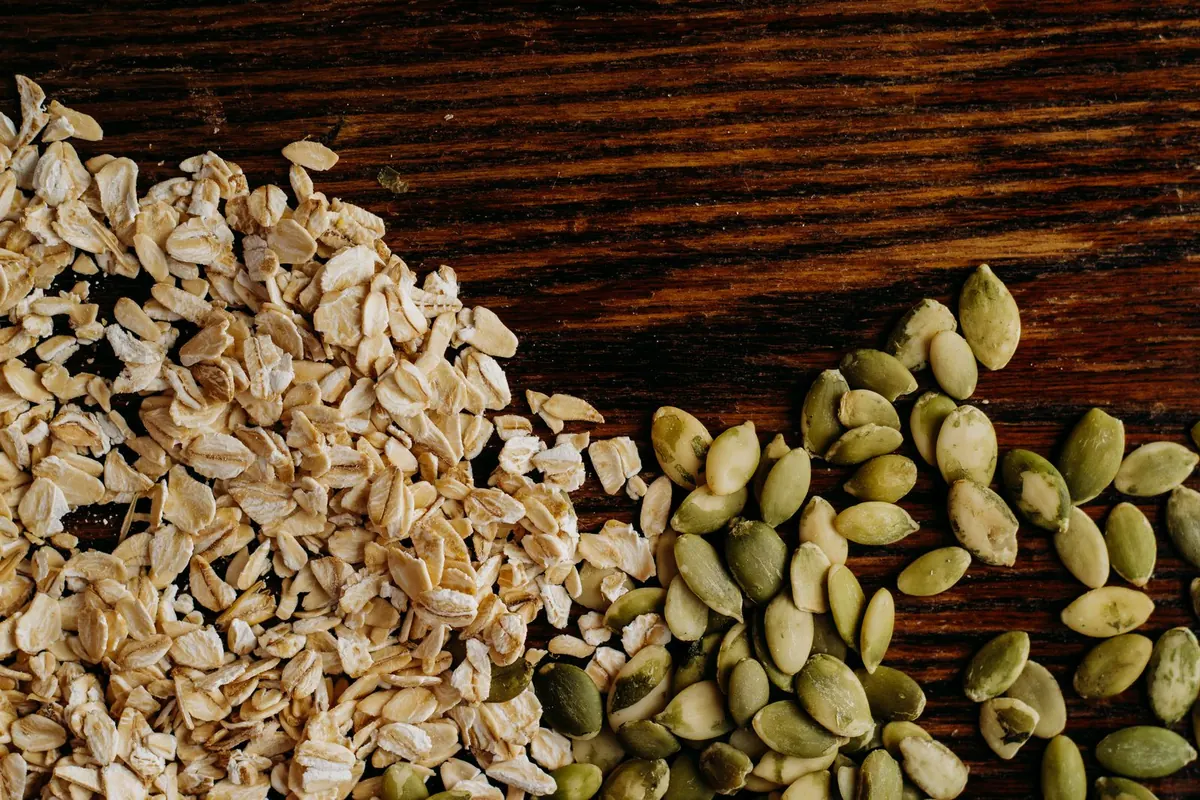
Photo: NastyaSensei / Pexels
When you can only manage a small bowl, it helps if the bowl carries a bit more. Seeds are one of the easiest ways to do that. They take up almost no room, need no cooking, and a spoonful scattered over something you already eat quietly adds protein, fibre and healthy fats.
What the science says
The British Heart Foundation's senior dietitian, Tracy Parker, has written a clear guide to seeds for its Heart Matters magazine. Seeds are counted in the protein group of the Eatwell Guide, the UK's picture of a balanced diet, sitting next to beans, eggs and fish. They also bring fibre and mostly unsaturated fats, the kind that is kinder to cholesterol than saturated fat (British Heart Foundation (opens in a new tab)).
The suggested amount is about 30g a day, which works out at roughly two tablespoons. Each type has its own strengths, so the advice is to mix them rather than stick to one:
| Seed (about 2 tbsp, 30g) | What stands out |
|---|---|
| Hemp hearts | About 10g protein, with all nine essential amino acids |
| Pumpkin seeds | About 7g protein, plus magnesium, zinc and iron |
| Sunflower seeds | About 6g protein, and a good source of vitamin E |
| Chia seeds | About 5g protein and 12g fibre |
| Sesame seeds | About 5g protein and plenty of calcium |
| Ground flaxseed | About 6g fibre and a plant form of omega-3 |
Figures are from the BHF guide and are rounded.
A few practical points from the same piece. Flaxseed (also called linseed) is best bought milled or ground, because the whole seed has a tough coat the body struggles to break down. Roasting doesn't take the goodness away, but flavoured or salted seeds are a different story. And a snack bar or seed mix isn't automatically healthy just because seeds are on the front, so it's worth checking the traffic-light label for sugar and salt.
Why seeds suit small appetites
Seeds are dense. A couple of spoonfuls don't make a meal any bigger to look at or harder to finish, but they do make it more filling and more nourishing. That matters when you're eating less than you used to and every bite has more work to do. They also keep for weeks in a jar, so there's no waste.
Easy ways to add them
- On breakfast. Stir a spoonful into porridge, yoghurt or cereal. Our skyr pot takes about three minutes.
- A small chia pot. Stir two tablespoons of chia into a glass of milk, leave it in the fridge, and it sets into a soft pudding. Top with a few berries.
- On soup or salad. Toasted pumpkin or sunflower seeds add crunch to a small bowl of soup.
- Tahini. This sesame paste goes into hummus, dressings and dips, or a thin spread on toast.
- Seeded bread. An easy swap if you already eat toast or sandwiches.
- A crumb coating. A mix of seeds can stand in for breadcrumbs on fish, chicken or tofu.
If you want more ideas for building up a small plate, our fibre guide and lentils and beans guide pair well with this one.
Keep it simple
You don't need six jars. One ready-made mix of pumpkin, sunflower, flax and chia covers most of the bases. Plain, unsalted seeds are the ones to keep in the cupboard. If you have a nut or seed allergy, or have been given specific dietary advice, follow that first.
One small habit
Tonight, make one small chia pot for tomorrow's breakfast: two tablespoons of chia stirred into a glass of milk, covered and left in the fridge. In the morning, add a few berries and eat what you fancy. If you like it, make it twice this week.
Handy kit
- A mixed seed jar for sprinkling. View on Amazon (opens in a new tab)#ad / affiliate
- Small glass pots with lids for overnight chia pots. View on Amazon (opens in a new tab)#ad / affiliate