
Plant variety on a small plate: the "30 plants a week" idea, made easy
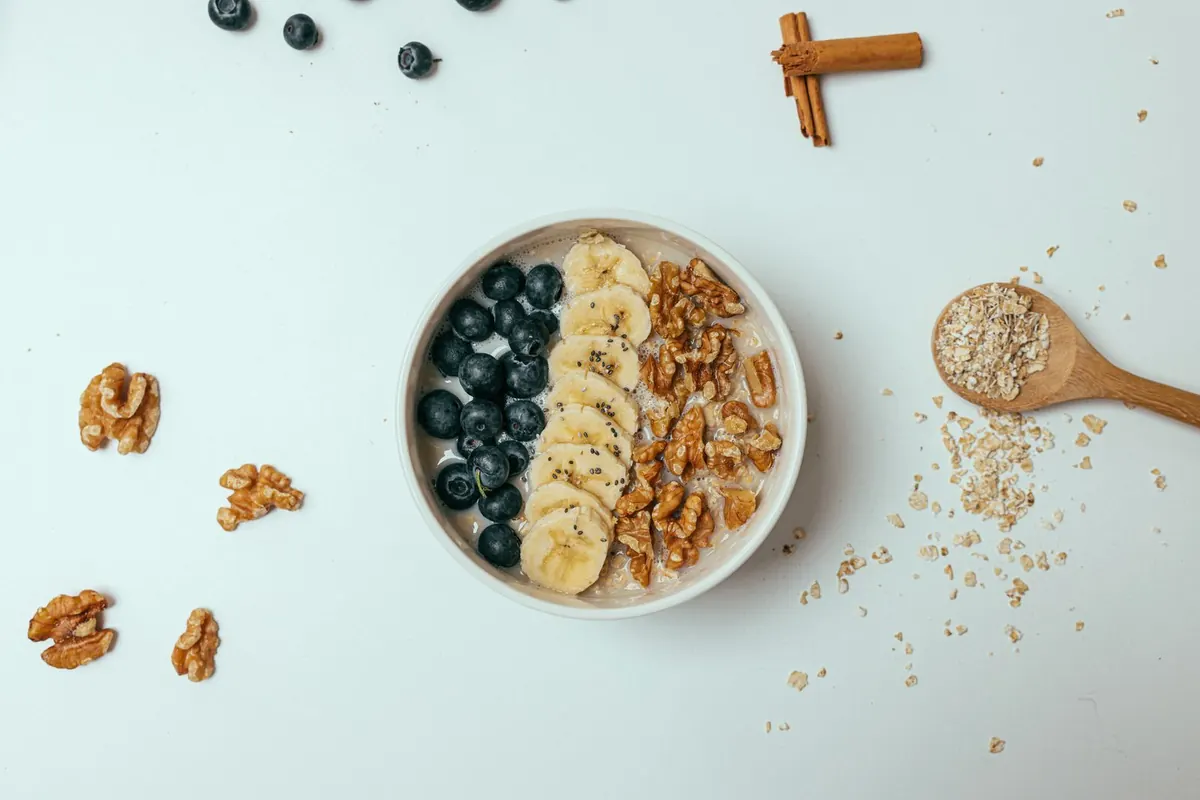
Photo: Cup of Couple / Pexels
If your portions are small, the idea of eating "30 plants a week" can sound like a joke. It isn't. The point is the number of different plants, not how much of each you eat, and small plates can carry plenty of variety.
What the science says
The 30-plants idea traces back to a 2018 study, which found that people who reported eating at least 30 different plants a week tended to have more varied gut bacteria than those eating fewer than ten. BBC Future's recent write-up of one reporter's week of trying it says the researchers themselves call 30 somewhat arbitrary, and that 20 or 25 may bring similar benefits. The biggest gains were seen in people who started with the fewest plants (BBC Future (opens in a new tab)).
Some background from 2021: a King's College London study of people over 60 found that those with a good appetite had a more varied mix of gut bacteria than those with a poor appetite, and were more likely to carry microbes linked to diets rich in vegetables and fibre. It shows an association, not cause and effect (King's College London (opens in a new tab)).
What counts as a plant?
More than you might think. BBC Future lists six groups: fruit, vegetables, wholegrains, beans and pulses, nuts and seeds, and herbs and spices. Tea, coffee and chocolate count too. Each different plant is one point, and the same plant twice in a week doesn't score again.
That is good news for small appetites. A teaspoon of cumin is a plant. So is a pinch of sesame seeds. You don't need a big salad to score; you need a different ingredient from last time. Think of it as a quiet game of variety, not a diet or a target to hit.
Tiny additions, new plants
- A pinch of seeds. Pumpkin, sunflower, sesame or chia on porridge, yoghurt or soup. A seed mix gives you several plants in one spoonful. View on Amazon (opens in a new tab)#ad / affiliate
- A spoon of beans. Black beans, chickpeas or lentils stirred into a stew, curry or salad. The NHS suggests pulses for exactly this (NHS (opens in a new tab)).
- A sprinkle of spice. Cinnamon on oats, paprika on eggs, turmeric in soup.
- Swap, don't add. Try a different fruit on your breakfast each day, or a different herb on your eggs.
- Frozen and tinned are fine. Frozen peas, tinned beans and a bag of frozen mixed veg all count, and keep the cost down.
Go gently
Fibre is the reason these foods are good for you, and it can cause wind or bloating if you rush. The NHS notes that the UK target is 30g of fibre a day and that variety of sources matters. Build up over a week or two and drink water as you go. If you have a gut condition, ask your GP or a registered dietitian before changing what you eat.
One small habit
Pick one "new plant" each time you shop: a different bean, seed, herb or vegetable, just one. Add a spoonful to something you already make. Over a few weeks, the list grows without anyone noticing.