
Eating well with a smaller appetite in later life
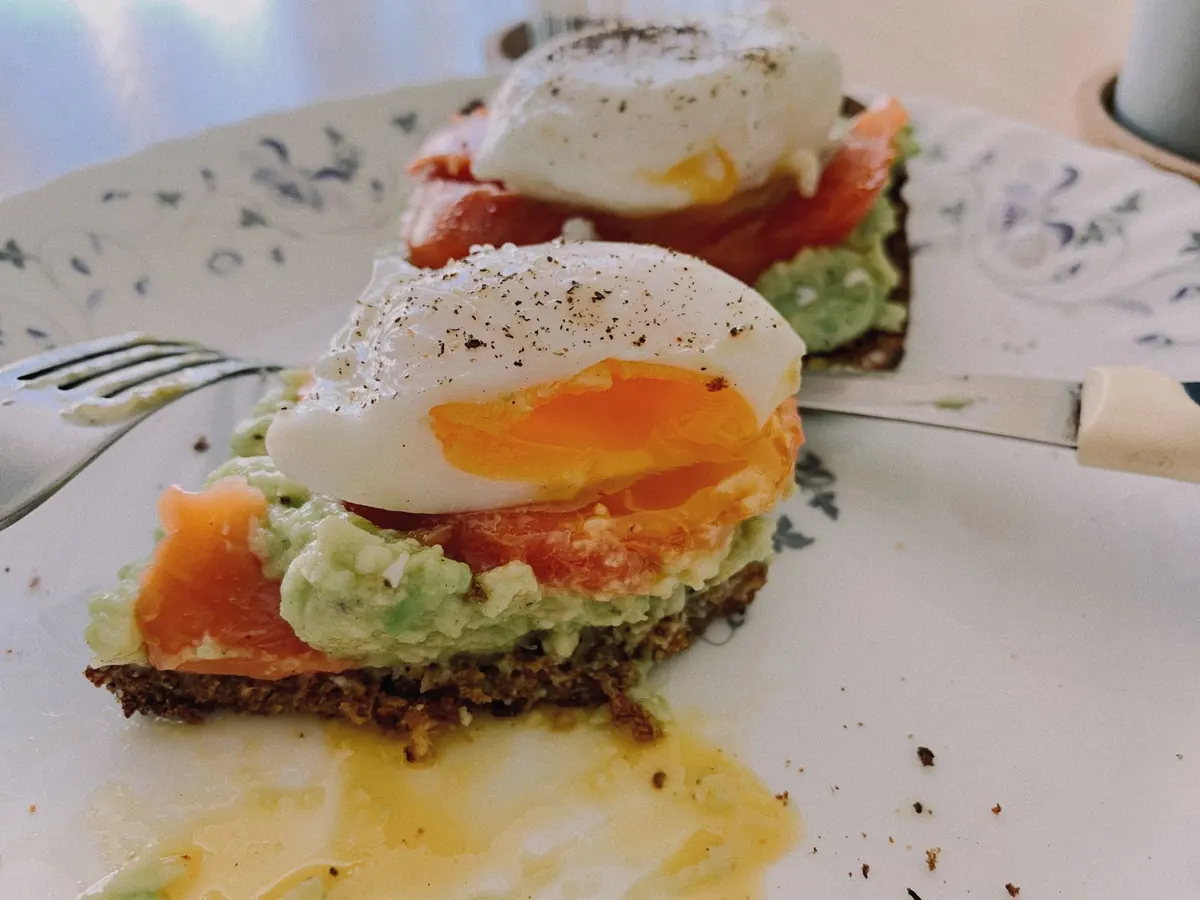
Photo: Elena Golovchenko / Pexels
Many of us find we simply want less food as the years go by. Plates that once felt normal start to look daunting, and a full meal can feel like hard work. That is common and nothing to feel guilty about. The aim of this guide is to help a smaller amount of food go further, so you still get what your body needs.
What the science says
A BBC Good Food guide to eating well in later life, written by a registered nutritionist, makes the point that appetite tends to shrink with age, so several modest meals and snacks spread across the day can be easier than three large ones. Because the total amount is smaller, it suggests leaning on nourishing foods such as eggs, full-fat dairy and fortified breakfast cereals. It also notes that over-65s are advised to take a daily vitamin D supplement, and that fibre, B12 and fluids deserve attention too (BBC Good Food (opens in a new tab)).
Protein is the piece that is easiest to miss. A BBC Future explainer reports that most adults already eat more protein than the standard guideline, but older people are the main exception. They need more to help keep their muscles, yet they often eat less of it, partly because tastes can drift towards sweeter foods. One expert quoted suggests around 1.2g of protein per kilo of body weight a day for older people, and simple options like beans on toast or a milky smoothie are mentioned rather than special products (BBC Future (opens in a new tab)). These are general figures, so your GP or a dietitian can tell you what suits you.
Make every mouthful count
- Little and often. A small breakfast, a mid-morning snack, a light lunch, something in the afternoon and a modest supper adds up to more than two meals you struggle to finish.
- Add protein to what you already eat. An egg on toast, a spoonful of yoghurt with fruit, grated cheese on soup, milk in porridge instead of water. See our protein little and often page for more ideas.
- Choose full-fat when your appetite is low. Whole milk, full-fat yoghurt and cheese bring more energy in the same small spoonful.
- Cut things small. A sandwich cut into little squares or fingers is far less off-putting than a whole round, and tends to get eaten, crusts and all.
- Keep easy snacks within reach. Cheese and crackers, a small pot of yoghurt, a handful of nuts or a boiled egg in the fridge.
- Sip through the day. Thirst can fade with age too, so keep a glass or mug nearby. Milky drinks count towards fluids and add a little protein.
Plan for low-appetite days
Batch cooking helps. When you make a stew, soup or curry, freeze it in a few different sizes, some very small, so there is always something ready that matches how hungry you feel. Our cooking for one guide covers scaling recipes down and freezing safely.
If you notice you are eating much less than usual, losing weight without trying, or clothes and rings are getting loose, please mention it to your GP. A falling appetite can have many causes, and it is worth checking.
One small habit
Tomorrow, add one extra source of protein to a meal you already eat: an egg, a spoonful of yoghurt, a sprinkle of cheese or a few beans. Keep it to one small addition and repeat it for a week.
Handy kit
- Small freezer pots for freezing meals in mini portions. View on Amazon (opens in a new tab)#ad / affiliate
- Small ceramic bowls that make a modest serving look generous. View on Amazon (opens in a new tab)#ad / affiliate