
Protein bars or real food? A calm look for small appetites
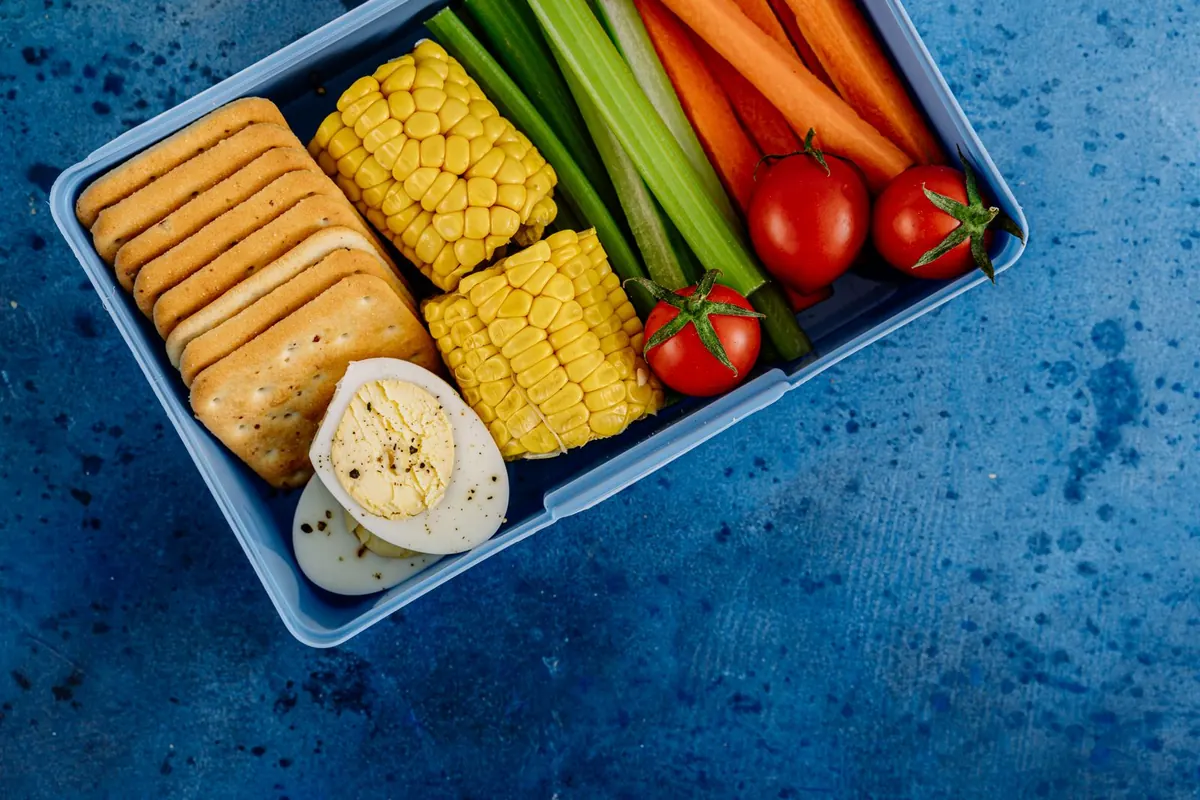
Photo: Antoni Shkraba / Pexels
Protein bars sit by every till now, often right next to the chocolate. They look like an easy fix when you can't face a proper meal. Sometimes they are. But plenty of them have more in common with a sweet treat than with food that looks after you, and a bar can quietly take up the little room you have left for something better.
What the science says
A recent feature in The Atlantic looked closely at how protein bars have changed. Many now copy chocolate bars in look and taste, and some carry about as much sugar as the sweets they imitate. Others keep sugar low by using sweeteners, protein powders and a long list of added ingredients, which puts them firmly among ultra-processed foods. The nutrition professors it quotes make a simple point: a small bag of nuts gives a similar amount of protein along with vitamins and minerals that most bars lack. A bar may be a better pick than a chocolate bar, they say, but it doesn't stand in for a meal (The Atlantic (opens in a new tab)).
That fits with UK advice on snacking. The British Dietetic Association suggests pairing a fibre-rich food with some protein or healthy fat, such as apple slices with nut butter, for steadier energy, and planning snacks ahead so you aren't grabbing whatever is nearest (British Dietetic Association (opens in a new tab)).
Why it matters more when you eat less
When your appetite is small, every mouthful has more work to do. A bar gives you protein, but often not much else. Real food tends to bring protein plus fibre, calcium, iron or healthy fats in the same few bites. Over a day, that difference adds up.
How to read a bar's label
If you do buy bars, turn the pack over before you trust the front.
- Protein per bar. Look for a decent amount for the size. A small bar with only a few grams is mostly a snack, not a protein boost.
- Sugar. Compare it with an ordinary chocolate bar. If it's close, treat it like one.
- The ingredients list. A shorter list that starts with nuts, oats, seeds or dried fruit is a better sign than one that starts with protein powders and syrups.
- Size. A big, dense bar can fill you up for hours. If it leaves no room for lunch, it has cost you a meal.
Real-food swaps that do the same job
Each of these gives a similar amount of protein to many bars, in a small portion:
- A small handful of nuts with a few pieces of fruit.
- A hard-boiled egg and a couple of oatcakes.
- A pot of Greek yoghurt or skyr, with seeds on top. Our yoghurt, skyr and cottage cheese guide has more ideas.
- Roasted chickpeas, crunchy and easy to keep in a bag. View on Amazon (opens in a new tab)#ad / affiliate
- Cheese and an apple, cut into small pieces.
- Hummus with carrot sticks or wholegrain crackers.
None of these need a recipe, and most cost less per portion than a branded bar.
When a bar makes sense
Bars aren't banned. They are handy on a long journey, in a bag for a busy day, or when the choice is a bar or nothing at all. Pick one you have checked, eat half if a whole one is too much, and save the rest for later.
One small habit
Next time you reach for a protein bar, check the sugar line and the first three ingredients. If it reads like a sweet, swap it for one of the real-food snacks above that day.
Handy kit
- Small snack boxes to pack nuts, cheese and fruit for the day. View on Amazon (opens in a new tab)#ad / affiliate
- Small dip pots for a spoon of hummus or nut butter. View on Amazon (opens in a new tab)#ad / affiliate